The festival
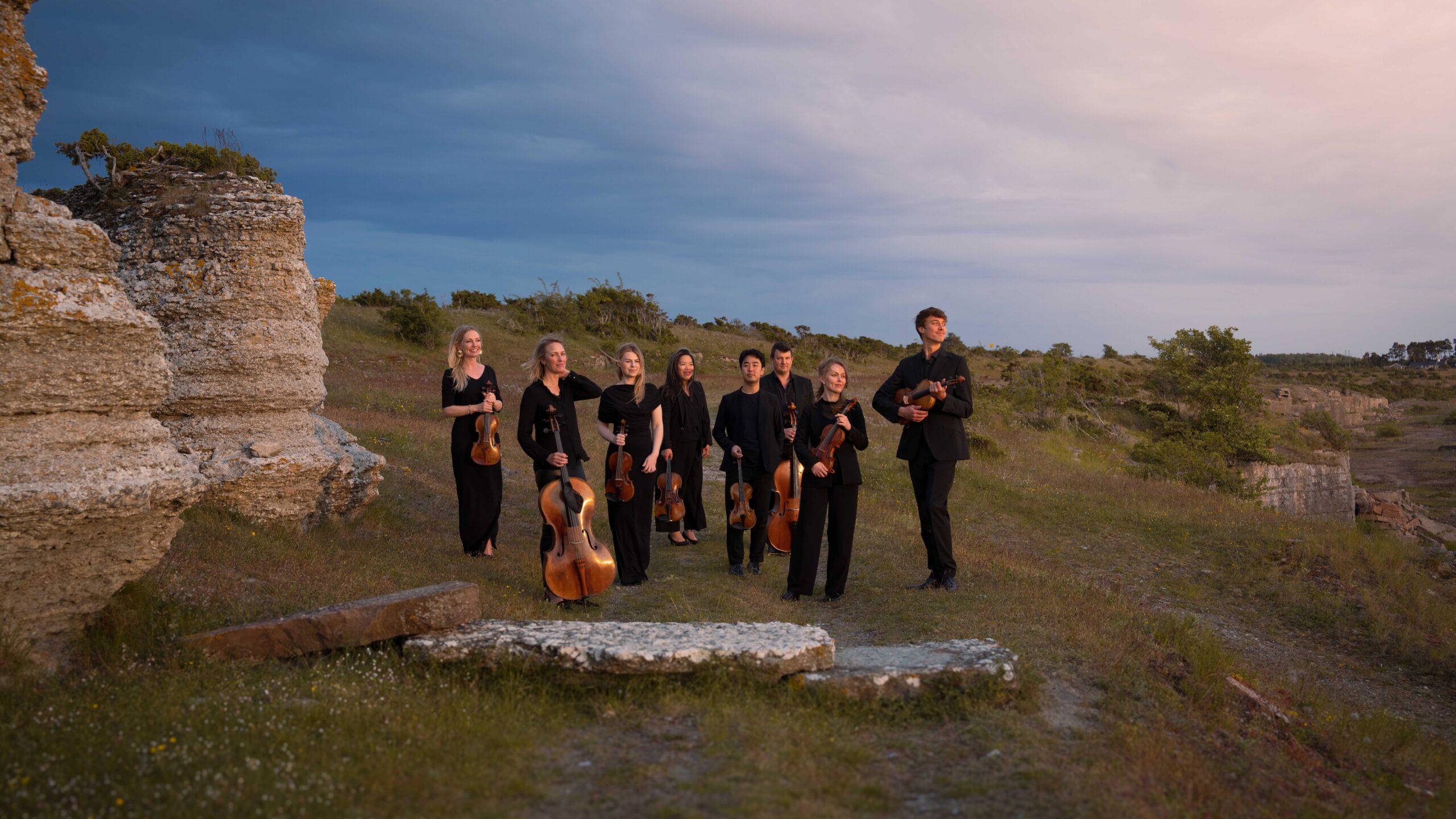
Ten years of music, friendship and the singular atmosphere of Öland. Since its founding, Öland Chamber Players has brought world-class chamber music to the island’s unique venues, building a festival that feels as much a part of the Öland summer as the windmills and the limestone plain. This anniversary season, the festival marks a decade with four concerts that gather some of its finest programmes yet.
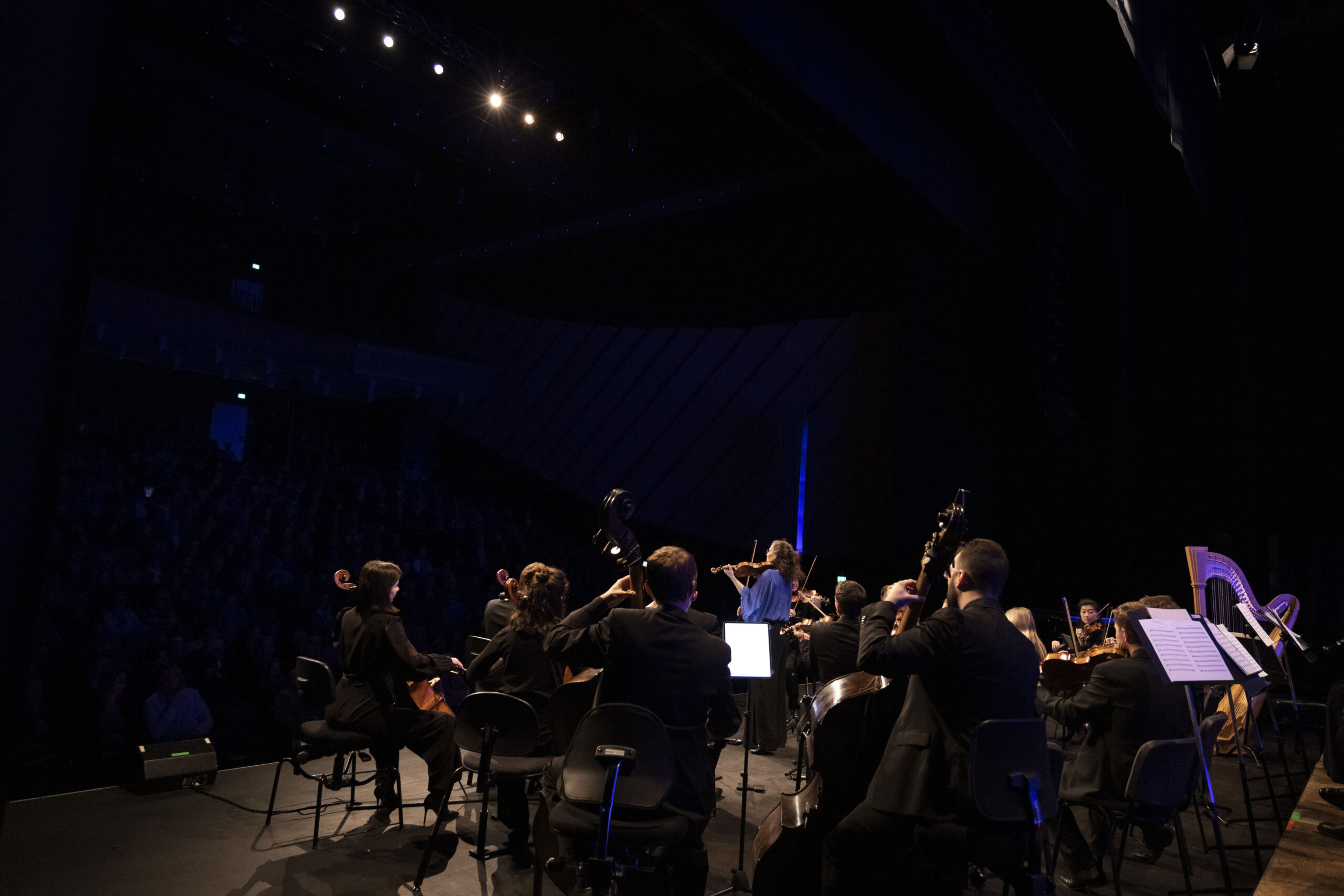
The centrepiece is a jubilee concert at Vida Museum with Canadian violinist Kerson Leong and Camerata Nordica, a celebration built around the eternal theme of the seasons, weaving together Vivaldi, Grieg, Piazzolla and more into a single, sweeping arc. Alongside it, concerts at Källa Kyrka and Anna’s Farm offer Schubert, Mozart, Schoenberg, and a festival finale with the beloved Trout Quintet. A summer not to be missed.


Schubert quintet @Källa Kyrka
Colin Scobie, Shuichi Okada violin
Yume Fujise viola
Sabina Sandri-Olsson, Zéphyrin Rey-Bellet cello
FRANZ SCHUBERT String Quintet in C major, D. 956, Op. posth. 163
Franz Schubert composed his String Quintet in C major, D. 956, in the final weeks of his life in 1828. Scored for the unusual combination of two cellos rather than two violas, the work stands apart from the rest of the chamber music repertoire in both its scope and its emotional depth. Its five movements span nearly an hour, moving from the expansive opening Allegro through one of the most serene and otherworldly slow movements in all of music.
The Adagio in particular has long been regarded as among the most sublime passages Schubert ever wrote, a profound stillness that coexists with an undercurrent of quiet unease. The Quintet was not performed publicly until 1850, more than two decades after the composer’s death, yet it has since secured its place as an undisputed cornerstone of the chamber music canon. Källa Kyrka, with its intimate stone interior and exceptional acoustics, provides an ideal setting for this towering work.
A summer night transfigured
Colin Scobie, Shuichi Okada violin
Yume Fujise, Kinga Dauner viola
Sabina Sandri-Olsson, Zéphyrin Rey-Bellet cello
Théotime Voisin, double bass
GIOACHINO ROSSINI Duo for Cello and Double Bass in D major
WOLFGANG AMADEUS MOZART Sinfonia Concertante in E-flat major, K. 364 Grande Sestetto Concertante in E-flat major, K. 364
ARNOLD SCHOENBERG Verklärte Nacht (Transfigured Night), Op. 4
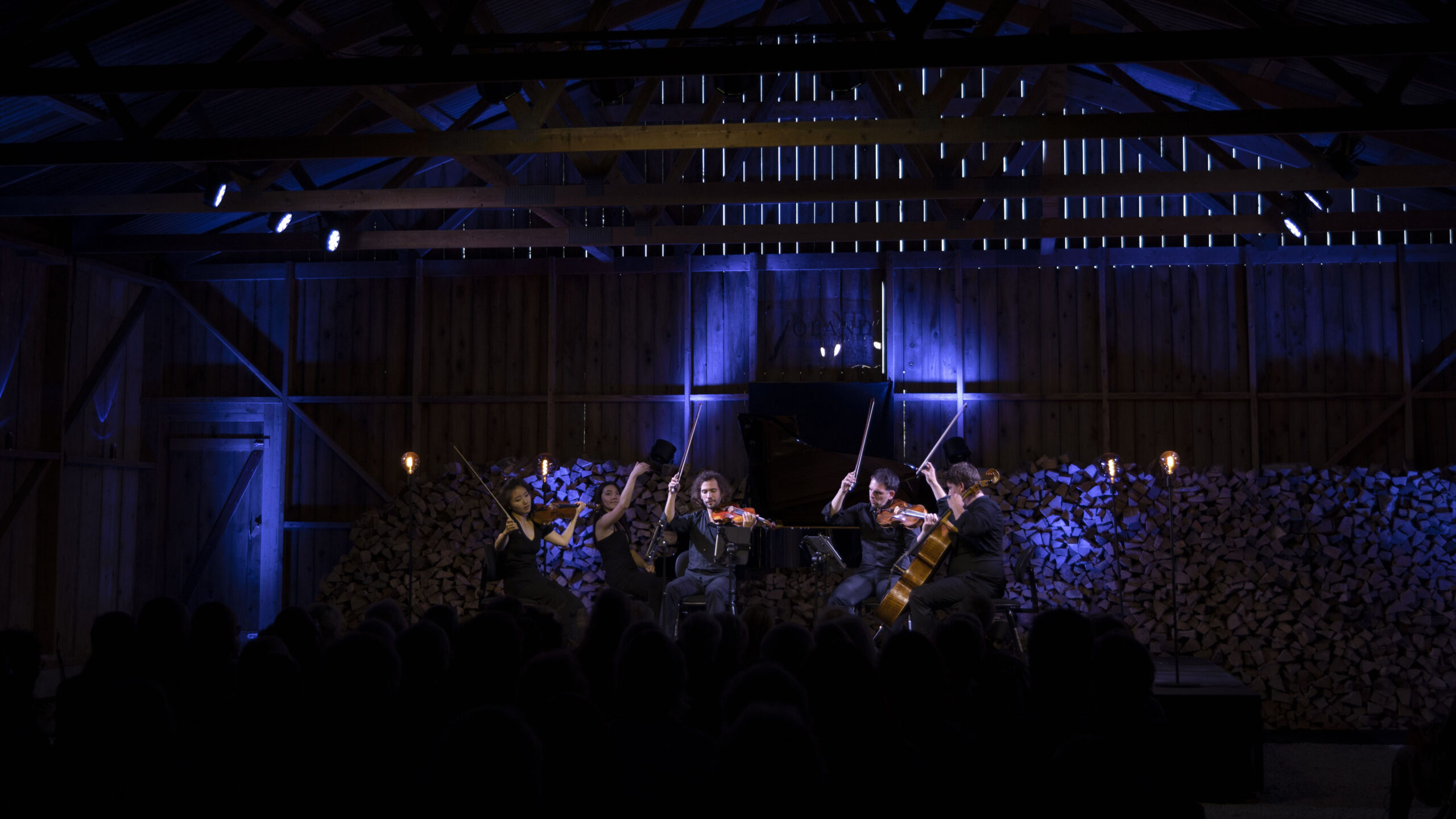
This concert at Anna’s Farm brings together three works representing very different facets of the chamber music tradition. Gioachino Rossini’s Duo for cello and double bass is a rare and charming specimen, a work that exploits the contrast between the two instruments with both technical ingenuity and characteristic Italian wit. Mozart’s Sinfonia Concertante in E-flat major, K. 364, heard here in an arrangement for string sextet, is one of the composer’s greatest achievements in the concertante form, its two solo voices engaged in a dialogue of exceptional elegance and expressive range.
The programme culminates with Arnold Schoenberg’s Verklärte Nacht (Transfigured Night), Op. 4, composed in 1899 for string sextet. Based on a poem by Richard Dehmel, the work follows a late Romantic harmonic language pushed to its outermost limits, tracing an arc from tension and confession through to resolution and acceptance. Though written at the very end of the nineteenth century, it points unmistakably toward the musical upheavals of the twentieth. In the intimate setting of Anna’s Farm, the work’s emotional directness can be felt with particular force.


10 years Jubileum : Seasons with Kerson Leong
Kerson Leong, violin
Camerata Nordica
EDVARD GRIEG Våren, Op. 34 no. 2
ANTONIO VIVALDI The Four Seasons, Op. 8
TAURO Höstvisa
ASTOR PIAZZOLLA Las Cuatro Estaciones Porteñas
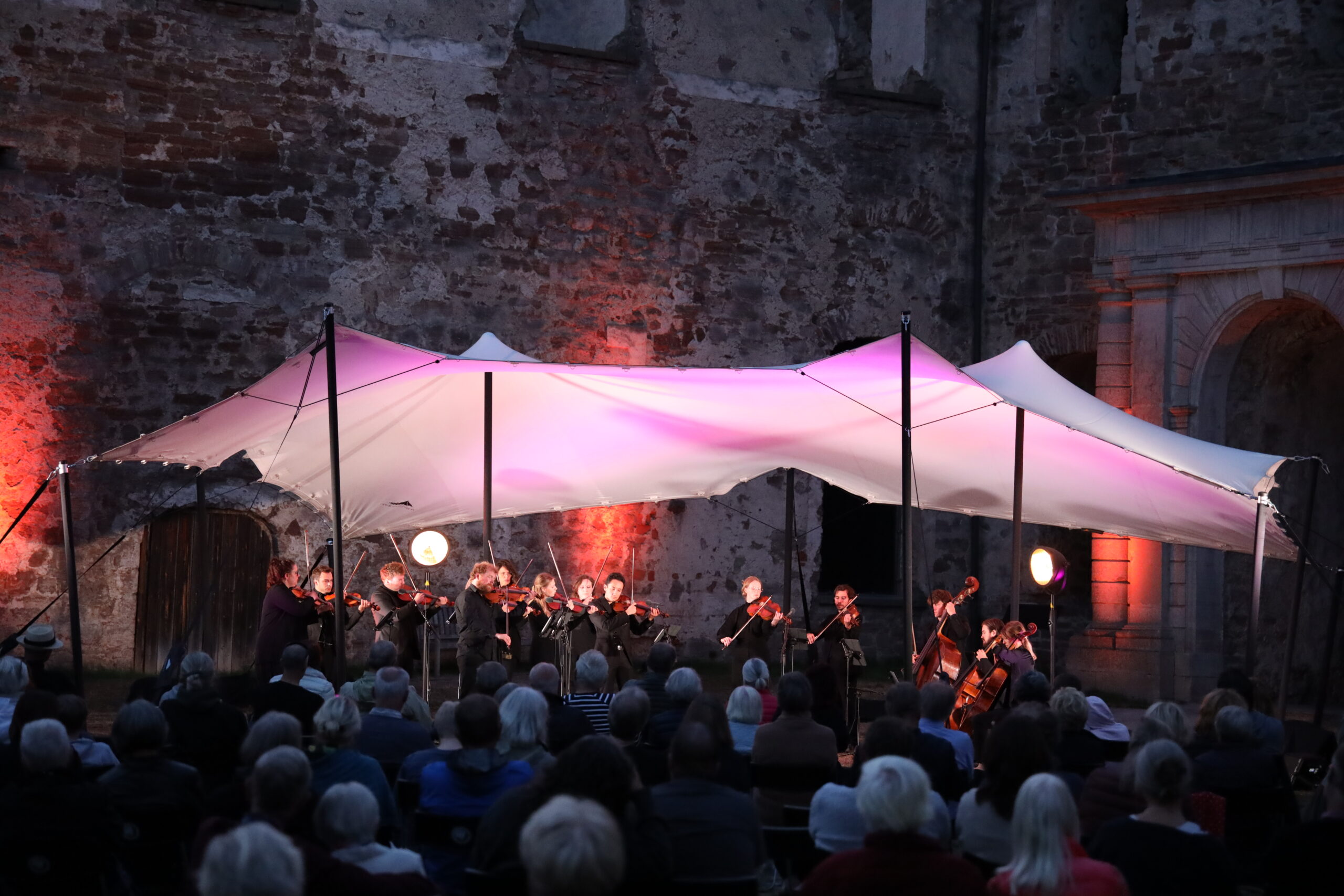
To mark the tenth anniversary of Öland Chamber Players, this jubilee concert at Vida Museum is built around the theme of the seasons, traced across four centuries and three musical traditions. At its centre stands Antonio Vivaldi’s The Four Seasons (Op. 8, nos. 1–4, RV 269, 315, 293, 297), the most celebrated of all Baroque concertos, performed here by the distinguished Canadian violinist Kerson Leong with Camerata Nordica. Each concerto is a vivid tonal portrait of the natural world, accompanied in the original edition by sonnets describing storms, harvests, frozen rivers and birdsong.
The programme is framed by works that extend the seasonal theme into other musical languages. Edvard Grieg’s Våren (Op. 34 no. 2) opens the concert with the lyrical warmth of a Norwegian spring, while Han-Erik Holgersson’s Höstvisa, written on a melody by Tauro, evokes the quiet melancholy of autumn. The second half is given over to Astor Piazzolla’s Las Cuatro Estaciones Porteñas, in Leonid Desyatnikov’s arrangement for violin and string orchestra: a reimagining of the seasonal cycle through the idiom of the Buenos Aires tango, at once nostalgic and rhythmically electrifying. Together, the programme spans ten seasons, a fitting tribute to a decade of chamber music on Öland.
Finale: Trout quintet
Guillaume Latour, Yume Fujise violin
Kinga Dauner viola
Sabina Sandri-Olsson, Zéphyrin Rey-Bellet cello
Mélodie Zhao piano
FRANZ SCHUBERT Piano Quintet in A major, D. 667, Op. posth. 114 “The Trout”
MIKHAIL GLINKA Grand Sextet in E-flat major for Piano and String Quintet
Öland Chamber Players concludes its festival with a celebratory programme at Anna’s Farm, pairing two works of irresistible warmth and invention. Schubert’s Piano Quintet in A major, D. 667, known universally as the Trout Quintet, is one of the most beloved works in the chamber music repertoire. Composed in 1819 during a summer stay in the Austrian town of Steyr, it reflects the ease and high spirits of that period in the composer’s life. Its five movements include a set of variations on Schubert’s own song Die Forelle (The Trout), from which the work takes its nickname. The scoring for piano, violin, viola, cello and double bass lends the quintet a distinctive, luminous quality quite unlike any other ensemble combination.
Mikhail Glinka’s Grand Sextet in E-flat major for piano and string quintet, composed in 1832, is a work that deserves to be far better known. Written during Glinka’s formative years in Italy, it shows the young composer absorbing the influences of Italian opera and Viennese classicism while already displaying the melodic gift that would later distinguish him as the founding figure of the Russian national school. Energetic, inventive and thoroughly enjoyable, it brings the festival to a close in the most fitting of spirits.